
Introduction
Technology is evolving faster than ever before, and one of the most important concepts shaping modern life is smart technology. From smartphones and smart homes to artificial intelligence and automated workplaces, smart technology is transforming how people live, work, learn, and communicate. In 2026, this transformation is becoming even more visible as devices and systems grow more intelligent, connected, and efficient.
For beginners, the term “smart technology” may sound complicated, but the idea behind it is simple: technology that can collect data, learn from it, and make decisions or perform tasks automatically to improve human life. This article explains what smart technology is, how it works, where it is used, and why it is becoming essential for the future.
What Is Smart Technology?
Smart technology refers to devices, software, or systems that use advanced computing, sensors, internet connectivity, and artificial intelligence to operate intelligently. Unlike traditional technology, which requires constant human control, smart technology can analyze information and respond automatically.
For example, a traditional light switch works only when someone turns it on or off. A smart lighting system, however, can detect movement, adjust brightness based on time of day, and even be controlled remotely through a mobile app.
In simple words, smart technology is designed to make decisions, reduce manual effort, and improve efficiency.
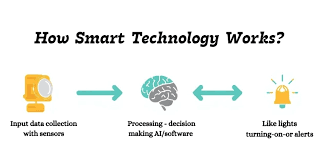
How Smart Technology Works
Smart technology combines several modern technologies to function effectively. These include:
1. Sensors
Sensors collect information from the environment such as temperature, movement, light, or voice commands. This data helps devices understand what is happening around them.
2. Internet Connectivity (IoT)
Most smart devices connect to the internet. This connection allows them to communicate with other devices and share information in real time.
3. Artificial Intelligence (AI)
AI allows systems to learn patterns and improve performance over time. For example, a smart assistant learns user preferences and gives better suggestions.
4. Automation
Automation enables devices to perform tasks without human involvement once rules or patterns are set.
Together, these components create systems that respond intelligently rather than simply following fixed commands.
Examples of Smart Technology in Daily Life
Smart technology is already part of everyday living, even if people do not always notice it.
Smartphones
Modern phones use facial recognition, voice assistants, and personalized recommendations powered by AI.
Smart Homes
Smart thermostats, lighting systems, and security cameras allow homeowners to control their houses remotely and save energy.
Wearable Devices
Fitness trackers and smartwatches monitor heart rate, sleep patterns, and physical activity to help users maintain better health.
Smart Cars
Vehicles now include driver-assistance systems, automatic parking, navigation intelligence, and safety alerts.
Online Platforms
Streaming services and online stores use smart algorithms to recommend content or products based on user behavior.
Benefits of Smart Technology
The rapid adoption of smart technology is driven by the many advantages it offers.
Improved Efficiency
Automation reduces repetitive tasks and saves time. Businesses and individuals can complete work faster with fewer errors.
Better Decision-Making
Smart systems analyze large amounts of data quickly, helping users make informed decisions.
Energy Savings
Smart homes and smart appliances optimize energy usage, lowering electricity costs and reducing environmental impact.
Convenience and Comfort
Voice commands, remote access, and automatic adjustments make daily routines easier.
Enhanced Safety
Smart security systems detect unusual activity and send instant alerts, improving personal and workplace safety.
Smart Technology in Business and Workplaces
Businesses are rapidly adopting smart technology to remain competitive. Offices now use automation tools, AI-driven analytics, and digital collaboration platforms to improve productivity.
Customer service is increasingly powered by chatbots that respond instantly to user questions. Manufacturing industries use smart machines that monitor performance and predict maintenance needs, reducing downtime.
Remote work has also expanded due to smart collaboration tools that allow teams to communicate and manage projects from anywhere in the world.
Role of Smart Technology in Education
Education is another area experiencing major change. Smart learning platforms personalize lessons according to student performance and learning speed. Teachers can track progress through digital dashboards and provide targeted support.
Virtual classrooms, AI tutors, and interactive learning tools make education more accessible, especially for students studying online. This shift is preparing learners for a technology-driven future workforce.
Challenges and Concerns
Despite its benefits, smart technology also brings challenges that need attention.
Privacy Issues
Smart devices collect large amounts of personal data. Protecting user privacy is a growing concern.
Security Risks
Connected devices can become targets for cyberattacks if not properly secured.
Dependence on Technology
Over-reliance on automation may reduce certain human skills over time.
Cost of Adoption
Some advanced smart systems remain expensive, limiting access for smaller businesses or individuals.
Addressing these challenges requires stronger cybersecurity practices, responsible data use, and balanced technology adoption.
The Future of Smart Technology
Looking ahead, smart technology will become even more integrated into everyday life. Experts predict major developments in areas such as:
- Fully automated homes
- AI-powered healthcare monitoring
- Smart cities with intelligent traffic systems
- Advanced robotics assisting human workers
- Personalized digital assistants managing schedules and tasks
As technology continues to evolve, devices will become more predictive, meaning they will anticipate needs before users even ask.
Why Understanding Smart Technology Matters
Learning about smart technology is no longer optional. Whether someone is a student, professional, entrepreneur, or content creator, understanding how intelligent systems work provides a major advantage.
Future careers will increasingly require digital skills, adaptability, and familiarity with AI-driven tools. Those who understand smart technology early will be better prepared for upcoming opportunities.
Conclusion
Smart technology represents the next stage of human innovation. By combining artificial intelligence, connectivity, and automation, it transforms ordinary devices into intelligent systems capable of improving efficiency, comfort, and productivity.
In 2026 and beyond, smart technology will continue reshaping industries, education, and daily routines. While challenges such as privacy and security remain important, the benefits of smarter systems are driving global adoption at a rapid pace.
For beginners, the best approach is to start exploring how smart tools work and gradually integrate them into daily life. Understanding smart technology today means being ready for the future tomorrow.